
Animal Welfare Guidance for Local Pet Owners
Independent animal welfare guidance for Wirral and Cheshire, with practical steps on hot cars, stray cats, baby birds, neutering and microchipping basics.
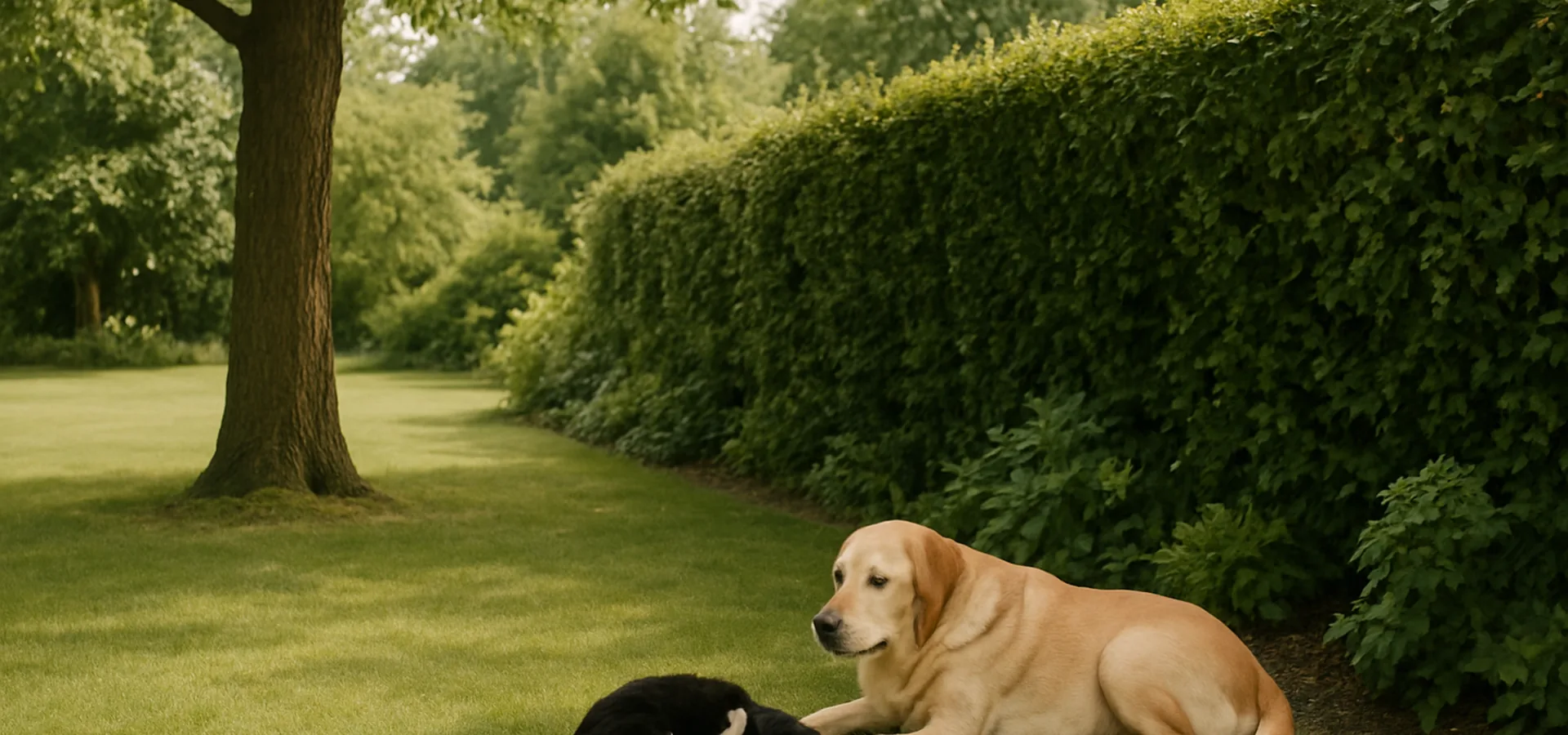

Hot Cars
A dog left in a parked car can develop heat distress quickly, even when the weather feels mild.

Neutering
Neutering is an operation that prevents cats and dogs from reproducing.

Stray Cats
A cat seen outdoors in Wirral or Cheshire may be lost, — including a look at casino SpinHub — roaming from a nearby home or genuinely without care.
Animal Welfare Guidance for Local Pet Owners
Animal welfare in Wirral and Cheshire can involve everyday pet ownership, unexpected encounters with wildlife and choices about helping animals locally. The guide brings together six practical subjects, from dogs in vehicles and young birds to neutering, cat identification and volunteering. Each topic addresses a distinct situation or decision rather than offering a single solution for every animal. The information is intended for local readers who want a clear starting point when considering animal welfare questions.
The topics covered
The six topics cover common questions about pets, wildlife and taking part in animal welfare locally. Each focuses on a separate situation.
Use the topic most relevant to the animal or decision you are considering:
- Dogs in hot cars: Explains how heat-related risk is recognised and what immediate steps may be appropriate when a dog is confined in a vehicle.
- Neutering: Outlines what cat and dog procedures involve and where owners can look for information about help with treatment costs.
- Stray cats: Covers initial identification checks and how to find suitable local help when a cat appears to be without an owner.
- Baby birds: Explains how to distinguish a young bird that may need assistance from one best left undisturbed, and where wildlife support fits.
- Cat microchipping: Describes how a microchip supports identification and why owner contact details need to remain current after a move or number change.
- Volunteering: Compares ways to contribute to animal welfare and helps readers consider roles that match their available time and abilities.
Together, the topics range from time-sensitive situations to longer-term choices about caring for animals.
Using this guide
The Wirral and Cheshire Animal Welfare Guide is an independent, English-language source of general information. It is not an animal welfare organisation, rescue centre, veterinary practice, emergency line or provider of treatment.
This information can help identify the kind of help that may fit a concern. It cannot examine an animal, confirm a diagnosis, investigate a report or arrange a rescue. For an urgent situation or a concern about a particular animal, contact an appropriate official service or veterinary professional directly.
For suspected neglect or cruelty, use the relevant official reporting route, such as the local authority or police where appropriate. A veterinary professional is the right contact for individual health questions, injuries or changes in an animal’s condition; give them the animal’s location and a clear description when seeking help.
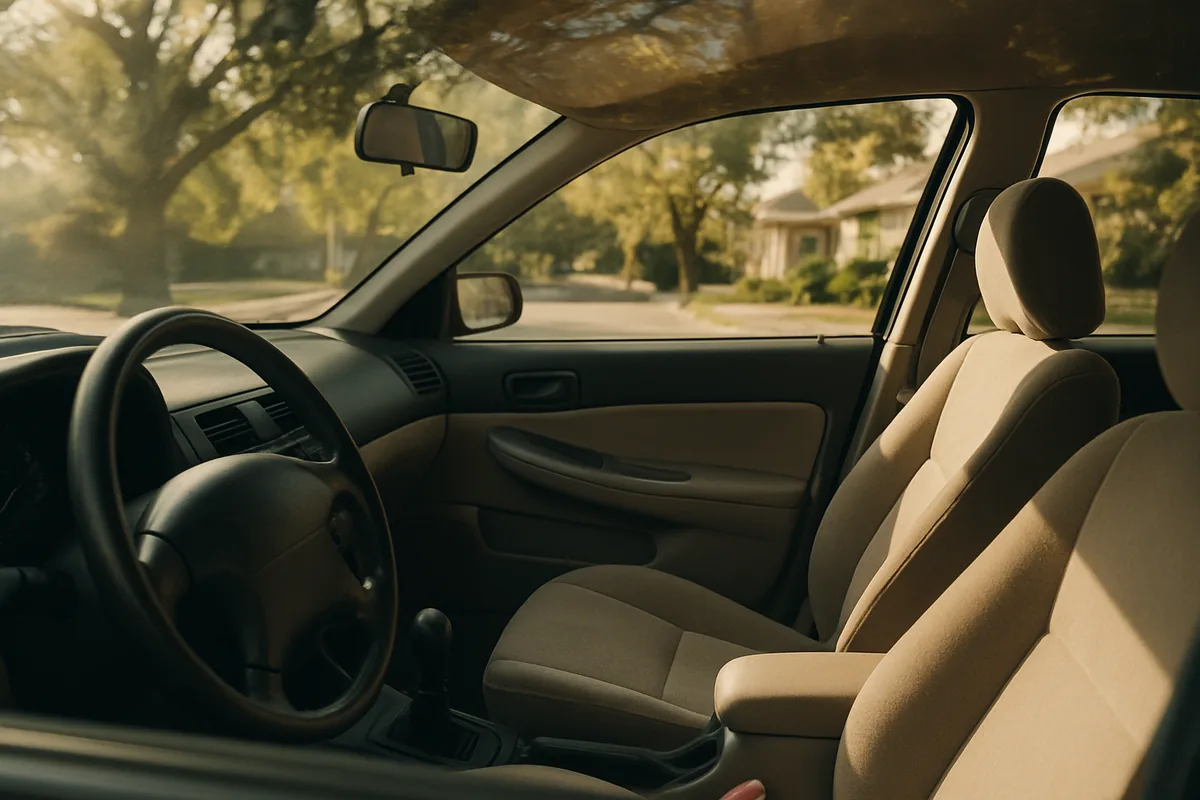
Dogs in Hot Cars
A dog left in a parked car can develop heat distress quickly, even when the weather feels mild. The risk applies in Wirral and Cheshire whenever a vehicle warms in sunshine or still air. Knowing the visible signs helps you judge when urgent action is needed. If a dog appears unwell, contact an appropriate official service or veterinary professional promptly. Use the dedicated hot-car guidance for a step-by-step response and urgent escalation.
Warning signs and risks
Heat distress can worsen rapidly, so look for changes in the dog’s breathing, behaviour and ability to stand. Even on a 22°C day, a parked car can reach 47°C within an hour.
- Heavy, fast panting that continues while the dog is resting can signal that it is struggling to lose body heat.
- Thick drooling or unusually wet lips, especially alongside restless movement, may indicate that the dog is becoming overheated.
- Agitation, repeated shifting, barking or frantic attempts to get out can be signs of distress rather than ordinary impatience.
- Weakness, wobbling or difficulty standing suggest the dog’s condition may be worsening and needs prompt attention.
- Vomiting can occur with heat illness; take it seriously, particularly if it appears with panting or weakness.
- Collapse, unresponsiveness or severe difficulty breathing are critical signs: seek emergency help immediately rather than waiting to see if they pass.
A car’s windows and seats absorb heat, and temperatures can rise even when the vehicle is parked in shade. A partly open window or a brief stop does not reliably keep the interior safe.
Do not rely on the dog’s breed, age or apparent size to judge risk; any dog can become dangerously overheated in a hot vehicle.
Immediate steps
Stay calm, note the vehicle’s location and registration, and check the dog from outside without delaying help. If the dog is collapsing, unresponsive or struggling to breathe, treat the situation as urgent. In England, call 999 and ask for the police when an animal is in immediate danger; explain the visible signs and follow the call handler’s instructions.
If there is no immediate emergency but you are concerned about the dog’s welfare, contact an appropriate animal welfare service or the police on 101 for advice. Do not force entry or put yourself at risk: ask the authorities what to do and wait for their direction. If you can identify the driver nearby without leaving the dog unattended or creating a confrontation, ask them to return promptly.
Once the dog can be reached safely, move it to a cooler place and begin gentle cooling with cool, not ice-cold, water. Offer small amounts of drinking water if the dog is alert and able to drink. Avoid actions that put you or the animal at further risk, and follow any instructions from the emergency service or veterinary professional.
Contact a veterinary professional promptly, even if the dog seems to improve, because heat-related illness can require urgent assessment. If anyone faces immediate danger, call 999 for the appropriate emergency service. For a step-by-step response to a dog in a hot car, follow the dedicated hot-car guidance and prioritise official instructions.
Cat and Dog Neutering
Neutering is an operation that prevents cats and dogs from reproducing. The procedure differs by sex: females are usually spayed, while males are castrated. Knowing the terms can help when discussing an operation with a veterinary practice or checking what an assistance scheme covers. This practical information supports animal welfare in Wirral and animal welfare in Cheshire, without assuming that every practice or scheme offers the same options.
What the procedure means
Neutering is a general term for surgery that prevents reproduction. For females, the usual term is spaying; for males, it is castration. The precise technique can vary, so a veterinary practice can confirm which organs are removed and what operation is planned for an individual animal.
| Animal | Usual term | Reproductive organs involved | General purpose |
|---|---|---|---|
| Female cat | Spay | Ovaries, with or without the uterus | Prevent reproduction |
| Female dog | Spay | Ovaries, with or without the uterus | Prevent reproduction |
| Male cat | Castration | Both testes | Prevent reproduction |
| Male dog | Castration | Both testes | Prevent reproduction |
A spay may be an ovariectomy, which removes the ovaries, or an ovariohysterectomy, which removes the ovaries and uterus. Both terms describe female operations, not separate procedures for cats and dogs. Castration removes the testes; it does not mean removal of the penis. In all cases, the central purpose is to stop the animal producing offspring. Ask the veterinary team to explain the planned technique and record its name when comparing information about the procedure.
Help with costs
Some charities or veterinary services may run neutering assistance schemes, but support is not automatic. Each scheme sets its own eligibility rules, which may consider where an owner lives, household circumstances, the animal’s species, or whether a participating veterinary practice is available. Funding can be limited, and applications may close or have waiting periods when demand is high. Before making plans, contact the organisation or practice directly to check current criteria, what the support covers, and whether an application must be approved before booking. Ask whether the scheme covers the whole procedure or only part of it, and confirm any conditions that apply. This guide does not issue vouchers or guarantee financial help. Checking directly is the reliable way to find out whether practical support for pet owners is available in your area.
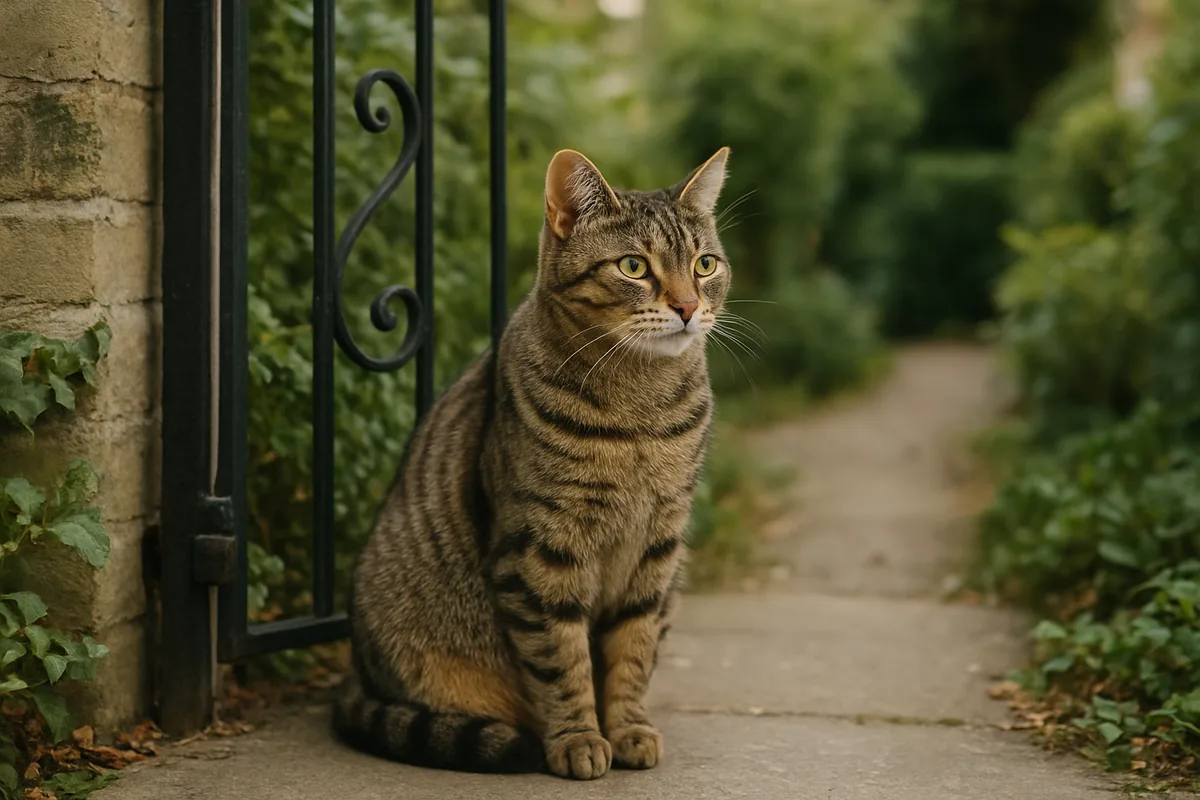
Found a Stray Cat
A cat seen outdoors in Wirral or Cheshire may be lost, roaming from a nearby home or genuinely without care. A cautious assessment helps distinguish a routine sighting from a situation that needs prompt attention. Look at the cat’s condition and behaviour, check for visible identification and consider the surroundings. Avoid assuming that a cat is abandoned simply because it is alone or outdoors. The checks below can help you decide what support is appropriate.
First checks
Watch the cat from a safe distance before approaching; a relaxed posture and clean coat may suggest it is coping, while weakness, marked thinness or a matted coat can indicate difficulty.
Check for these signs without chasing or cornering the animal:
- Notice whether it walks evenly and responds normally; limping, laboured breathing, collapse or visible bleeding can signal an urgent health problem.
- Observe its behaviour over several minutes: a confident cat moving calmly through a familiar area may be roaming, while persistent crying or disorientation can suggest distress.
- Look for a collar or visible tag from a distance; do not pull at a tight collar or attempt to handle a frightened cat.
- Consider the surroundings, including nearby homes, gardens and busy roads; a cat repeatedly returning to one property may have a local owner.
- Check whether the cat is trapped, exposed to traffic or unable to move away from immediate danger, and keep yourself out of the hazard.
- Ask nearby residents whether they recognise the cat, and note the place and time you saw it so repeated sightings can be described accurately.
A visible tag can provide a direct clue, but no collar does not prove that a cat is unowned. If the cat is injured or in immediate danger, treat that as more important than completing every check.
Finding appropriate help
If the cat appears alert, mobile and settled, gather what you observed and seek advice from a suitable local animal welfare service. A vet or an appropriate service may be able to check for a microchip; do not try to scan or restrain the cat yourself. The dedicated stray-cat guide explains practical checks and responsible next steps for finding appropriate support.
Act promptly if you see serious injury, difficulty breathing, collapse, severe distress, entrapment or immediate danger from traffic. Contact a veterinary professional or an appropriate official service and describe the cat’s condition and exact location. Do not put yourself in danger or attempt to move an injured or frightened animal unless a professional advises you to do so. For concerns about suspected neglect or cruelty, report the specific observations to an appropriate official service rather than confronting anyone. Clear details, such as when and where the cat was seen, help professionals assess what response is needed.
Found a Baby Bird
A young bird on the ground does not automatically need rescuing: many leave the nest before they can fly well. In Wirral and Cheshire, deciding whether to intervene depends on the bird’s condition and immediate surroundings. A brief, quiet observation can help distinguish a fledgling being cared for by its parents from a bird that is injured or in danger. Do not give a bird food or water; seek help from a wildlife rescue service or veterinary professional when its condition calls for it.
When a bird may need help
Look for clear signs of injury or serious weakness rather than treating every bird on the ground as an emergency. Blood, an obviously damaged wing or leg, difficulty standing, or marked weakness are reasons to seek advice. A bird that is unresponsive or struggling to breathe also needs prompt professional attention. These signs differ from a young bird that is alert, feathered and moving about while its parents remain nearby.
Consider immediate hazards as well as the bird’s condition. A bird in a road, trapped indoors or within reach of a cat or dog may be in immediate danger, even if no injury is visible. Contact a local wildlife rescue organisation or veterinary professional for advice on the safest next step; describe the bird’s appearance, behaviour and location. For an urgent animal welfare or health concern, contact an appropriate official service or veterinary professional rather than delaying to see whether obvious injuries improve.
When to leave it alone
A fully feathered young bird hopping on the ground may be a fledgling, not an abandoned chick. Many fledglings leave the nest while still developing their ability to fly, and their parents continue feeding them nearby. The adults may keep their distance while people are close, so a parent not appearing immediately does not prove the bird has been deserted. Watch quietly from indoors or well back, and check whether the young bird is alert and moving normally.
If it is in a safe place and shows no obvious injury or marked weakness, leave it where it is so its parents can care for it. Keep people and pets away while observing; approaching repeatedly can prevent adult birds from returning. Do not offer bread, seed, milk, or water, and never try to drip liquid into its beak. An unsuitable food or liquid can harm a young bird, and feeding does not replace care from its parents. If its condition worsens or a hazard cannot be avoided, contact a wildlife rescue service or veterinary professional for guidance.
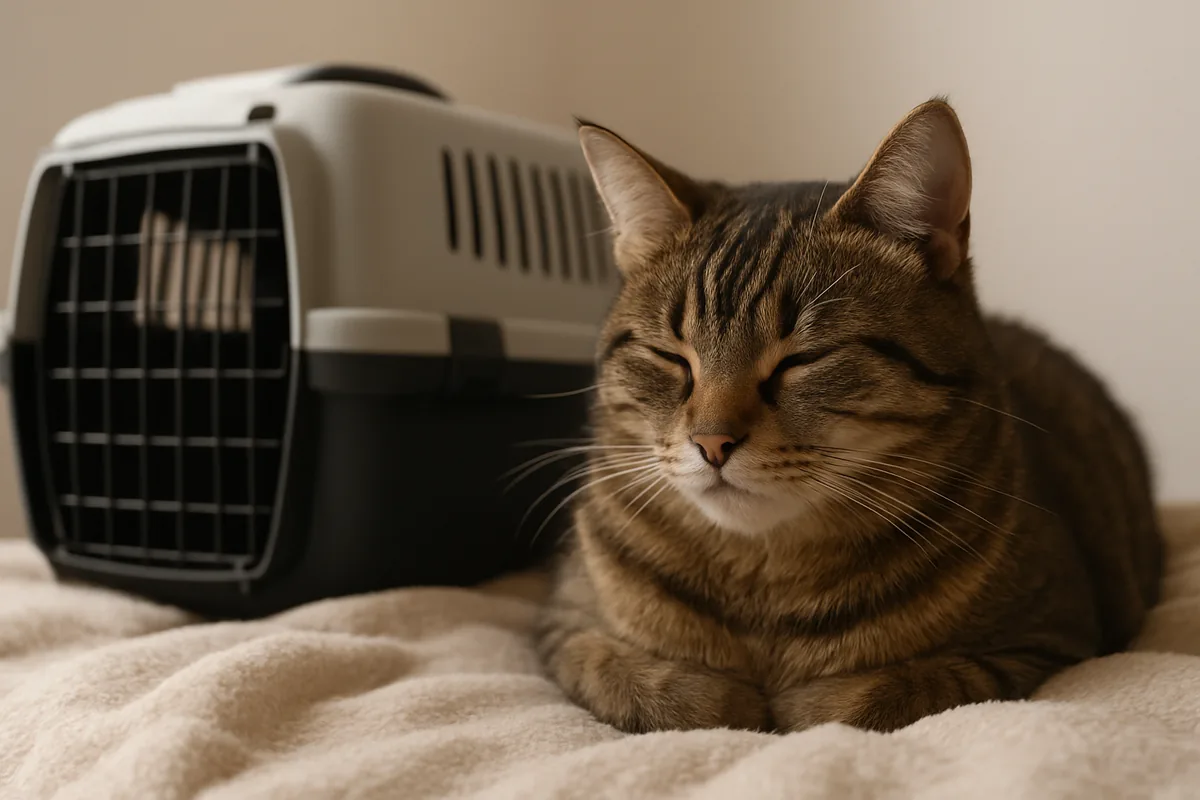
Cat Microchipping
Microchipping gives cats a reliable form of identification if they are found away from home. Its value depends on a working link between the chip number and a keeper who can be contacted. For cat owners in Wirral and Cheshire, that link can help guide practical decisions about identification. The dedicated guide covers the process, provider options and questions to ask.
How a microchip helps
A microchip gives a cat a unique identifying number that can be read with a scanner. It is not a GPS tracker and does not transmit the cat’s location or display a keeper’s telephone number. Instead, the number is used to locate the contact record linked to it in a microchip database.
If a found cat is taken to a veterinary practice, rescue organisation or local authority, staff may be able to scan it and use the number to identify the registered keeper. This can provide a route to reunite a cat with its household, including when it has wandered beyond its usual area. The chip supports identification; it does not locate a missing cat or replace other forms of care. For an explanation of how implantation and registration work, available provider options and what to ask before choosing, refer to the dedicated cat microchipping guide.
Keeping details current
A chip can only help someone reach you if the contact record linked to its number is accurate. If your address or telephone number changes, an outdated record can delay contact when your cat is found. Update the record with the database provider, and check that the change has been saved rather than assuming it happened automatically.
Common reasons to review the record include moving home, changing mobile number or email address, and a change of keeper. In England, cats must be microchipped by 20 weeks of age, and keeper details must be kept up to date; the requirement took effect on 10 June 2024. If you are unsure which database holds the record or how a change of keeper should be handled, consult the dedicated guide for questions to ask and information to have ready.
Animal Welfare Volunteering
Volunteers can help animal welfare organisations across Wirral and Cheshire with practical tasks, specialist skills or regular behind-the-scenes support. Roles vary: a rescue centre may need scheduled animal-care shifts, while a smaller charity may value help with records or transport. Before applying, check the organisation’s role description, training arrangements and expected hours. The right fit is one you can carry out reliably alongside work, study and other commitments.
Different ways to contribute
Local animal charities and rescue organisations may offer roles suited to different skills and schedules. Ask what a typical shift involves and whether the role is based at a centre, in the community or at home.
- Animal care: Volunteers may help staff with feeding, grooming and socialisation, following the centre’s routines for each animal rather than making independent care decisions.
- Cleaning and upkeep: Some roles focus on washing bowls, changing bedding and keeping animal areas tidy, with hygiene procedures explained by the organisation.
- Transport: Approved drivers may take animals to appointments or between locations; check whether a driving licence, suitable vehicle and agreed insurance arrangements are required.
- Fostering: Foster carers provide temporary care in their homes, using the organisation’s guidance on supplies, routines and updates while an animal awaits its next placement.
- Administration: Office support can include answering enquiries, maintaining records, arranging appointments or helping with adoption paperwork, often using a charity’s own systems and procedures.
- Events support: Volunteers may welcome visitors, set up information stands or help manage community events, with duties and timings agreed in advance.
- Communications: People with writing, photography or design skills may help prepare animal profiles or practical information, subject to the organisation’s approval and privacy rules.
These are examples rather than guaranteed vacancies; availability depends on each organisation’s current needs and location.
Choosing a suitable role
Read the role description closely before contacting an organisation. Animal handling, driving and home fostering can have different conditions, and some positions may require references, an interview or an assessment. Ask whether the role has a minimum age, physical requirements or checks; requirements vary, so do not assume that one charity’s process applies to another. Check what training is provided before starting. A centre may teach its own animal-handling routines, hygiene procedures and record-keeping, while a transport role may require a briefing on approved journeys. Relevant experience can help, but ask whether beginners are welcome and whether a supervised induction is available. Do not take on duties beyond the training or authority provided. Be realistic about the time commitment. A weekly shift, occasional event and foster placement require different levels of availability; confirm shift length, notice arrangements and how absences are handled. Consider travel time across Wirral or Cheshire as well as the hours spent on the role, and agree a schedule you can maintain. This is an independent guide, not a volunteer recruiter, and it does not place volunteers with organisations. Contact the organisation offering a vacancy directly to confirm current openings, requirements and application steps.

Baby Birds
When to Leave a Young Bird Alone
How to tell when a baby bird may need help, when a fledgling is best left alone, what not to feed it and when to contact a wildlife professional.